
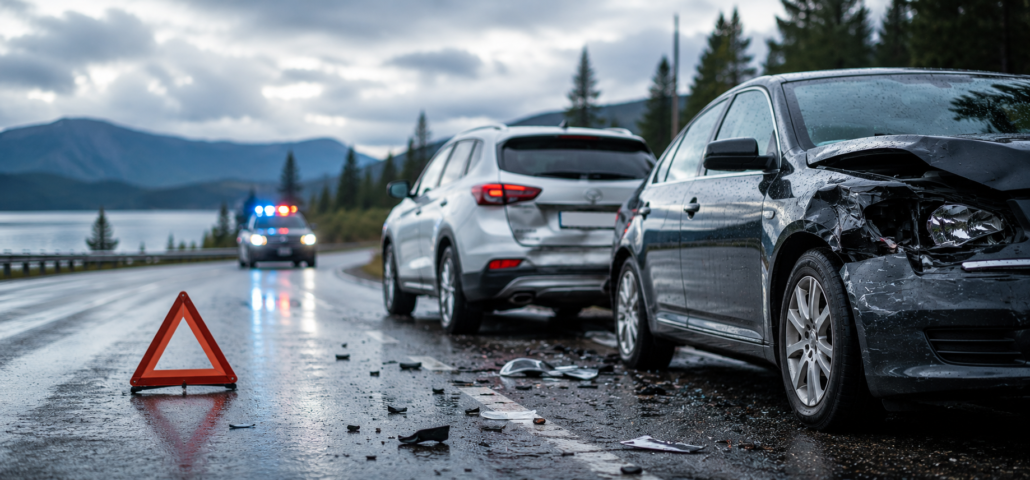
What Happens After a Car Accident in BC? Step-by-Step
What to Do After a Car Accident in BC and How to Protect Your Insurance Claim
If you’re involved in a car accident in BC, the first steps are straightforward: check for injuries, move to safety if possible, exchange information, document the scene, report the accident to ICBC, and notify your insurance broker. Following these steps helps protect your safety, your claim, and your financial interests.
We’ve helped countless drivers navigate the aftermath of collisions. One thing we notice repeatedly is that people often worry about the wrong things.
They focus on who is at fault before they’ve gathered evidence, or they leave the scene without taking photos because they’re shaken up.
The first hour after an accident often has a bigger impact on a claim than anything that happens afterward.
What Should You Do Immediately After a Car Accident?
Step 1: Check for Injuries
Before worrying about vehicles, insurance, or paperwork, check yourself and your passengers. If anyone is injured:
Call 911 immediately
- Request medical assistance
- Avoid moving seriously injured individuals unless there is immediate danger
Even minor injuries can take hours or days to become noticeable.
Step 2: Move to a Safe Location
If the vehicles can be driven safely, move them out of traffic. Turn on hazard lights and stay visible.
BC highways, intersections, and busy urban roads can become dangerous secondary accident scenes if vehicles remain in traffic lanes.
Step 3: Call Police When Required
Not every accident requires police attendance. Generally, police should be contacted if:
- Someone is injured
- Criminal activity is suspected
- A driver appears impaired
- A vehicle is stolen
- Significant property damage has occurred
- The roadway is blocked
- When in doubt, call and ask for guidance.
What Information Should You Collect?
This is where many people make costly mistakes. Do not rely on memory.
Exchange Information
Gather:
- Driver’s name
- Phone number
- Driver’s licence number
- Licence plate number
- Vehicle make and model
- Insurance information
Document the Scene
Use your phone to take photos of:
- Vehicle damage
- Licence plates
- Road conditions
- Traffic signs
- Skid marks
- Intersection layouts
- Weather conditions
Speak with Witnesses
Independent witnesses can become extremely valuable if there are conflicting versions of events. If possible, obtain:
- Names
- Phone numbers
- Email addresses
The Evidence Checklist We Recommend
Many drivers think photos of damaged vehicles are enough. They aren’t.
Here’s the checklist we recommend:
- Wide-angle photos of the entire scene
- Close-up photos of all damage
- Photos showing vehicle positions
- Road conditions
- Traffic signals and signs
- Witness contact information
- Notes about weather and visibility
- Time and location details
- A written summary while events are fresh
We’ve seen situations where a simple photo of a stop sign hidden by a tree branch became an important piece of evidence later.
When Should You Report the Accident?
Report to ICBC as Soon as Possible
Most drivers in BC carry coverage through ICBC. The sooner a claim is reported, the easier it is to investigate while evidence and memories remain fresh.
Be prepared to provide:
- Date and time
- Location
- Description of events
- Driver information
- Photos and documentation
Accuracy matters more than speed. Stick to the facts. Avoid speculation.
Should You Contact Your Insurance Broker?
Absolutely. Many drivers assume the claims process begins and ends with ICBC.
In reality, your broker can often help you understand:
- Coverage details
- Deductibles
- Optional coverage
- Rental vehicle benefits
- Loss of use coverage
- Next steps
We regularly answer questions that don’t appear in claim forms. Questions like:
“Will my replacement cost endorsement apply?”
“Am I covered while driving a rental?”
“What happens if the other driver was uninsured?”
A quick conversation can save significant confusion later.
How Does Fault Work in BC?
Since BC operates under a no-fault insurance model, many drivers are surprised to learn that fault still matters. Fault can affect:
- Future premiums
- Claim records
- Responsibility assessments
ICBC reviews evidence, including:
- Driver statements
- Witness reports
- Vehicle damage
- Police reports
- Photos and video footage
This is one reason detailed documentation is so valuable.
What Happens After the Claim Is Opened?
Vehicle Assessment
Depending on the damage, your vehicle may require:
- An inspection
- Repair estimates
- Direct repair facility involvement
Many repairs today are more expensive than drivers expect because modern vehicles contain:
- Sensors
- Cameras
- Driver assistance systems
- Specialized calibration equipment
A bumper replacement is often no longer “just a bumper replacement.”
Injury Support
If injuries occurred, treatment and recovery support may be available through your coverage.
Keep records of:
- Medical appointments
- Prescriptions
- Therapy sessions
- Related expenses
Good documentation supports smoother claim handling.
Common Mistakes Drivers Make After an Accident
Admitting Fault at the Scene
Stay factual. Even if you believe you’re responsible, you may not have all the information.
Avoid statements such as:
“This was entirely my fault.”
“I didn’t see you.”
“I caused the accident.”
Simply exchange information and cooperate.
Forgetting to Take Photos
This remains one of the most common errors we see. People often assume investigators will have access to all the evidence later.
Often they won’t.
Delaying Medical Attention
Adrenaline can mask symptoms. Neck, back, and soft tissue injuries frequently appear hours or days later.
If something feels wrong, seek medical evaluation.
Not Understanding Optional Coverage
Many BC drivers purchase optional protection but forget what they actually have. Knowing your coverage before an accident happens can reduce stress dramatically.
What If the Accident Happens Outside BC?
This is a question many of our clients ask before road trips. Coverage often extends beyond BC, but claim procedures can differ depending on the jurisdiction.
Before travelling, review:
- Liability limits
- Collision coverage
- Comprehensive coverage
- Rental vehicle protection
- Emergency travel benefits
A quick policy review before a long trip can prevent surprises later.
A Simple Comparison: Before and After an Accident
| Before an Accident | After an Accident |
|---|---|
| Know your coverage | Report promptly |
| Store insurance documents in vehicle | Document everything |
| Keep emergency contacts handy | Seek medical attention if needed |
| Understand deductibles | Contact your broker |
| Review optional coverage | Follow claim instructions |
Common Client Questions
How long do I have to report a car accident in BC?
You should report it as soon as reasonably possible. Prompt reporting helps ensure evidence is preserved and claims are processed efficiently.
Do I need a police report for every accident?
No. Police involvement is generally required only in specific situations, such as injuries, criminal activity, or significant property damage.
Should I take photos if the damage seems minor?
Yes. Minor damage can later reveal more significant issues. Photos provide valuable documentation.
Will my insurance rates increase after an accident?
It depends on several factors, including fault determination and your driving history.
Can my insurance broker help after an accident?
Absolutely. Your broker can explain coverage, answer questions, and help you understand your options throughout the claims process.
The Difference Between a Smooth Claim and a Stressful One
Most people never expect to be involved in a collision. Yet when it happens, preparation matters.
The drivers who experience the least stress aren’t necessarily the ones involved in minor accidents. They’re the ones who know exactly what to do next.
If you’ve recently been involved in a car accident in BC, or simply want to better understand your car insurance coverage, we are here to help. We can review your policy, explain your options, and ensure you understand exactly how your auto insurance BC coverage protects you when the unexpected happens.
Get in touch with Kelowna Valley Insurance for all the information you need regarding your auto insurance in BC.


