
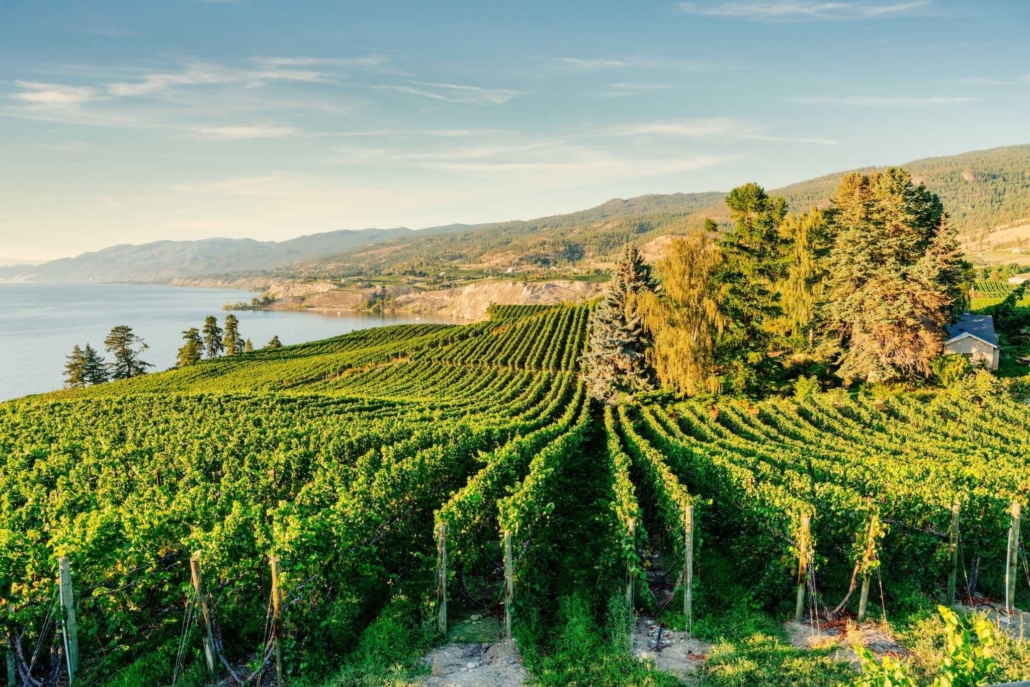
Farm Loss Prevention: 10 Tips to Protect Your Okanagan Farm
A practical farm risk management guide to help you safeguard your property, livestock, and income before disaster strikes
This year’s wildfire season was another reminder for Okanagan farmers of just how quickly disaster can threaten a lifetime of work. Between evacuation alerts, smoke-filled skies, and the anxious wait to hear whether a property made it through, many local growers and ranchers came away asking the same question: how prepared are we, really?
Wildfire is only one of the risks Okanagan farms face. Farming is one of the most rewarding professions in the region. And one of the riskiest. Between unpredictable weather, aging equipment, roaming livestock, and the sheer scale of property most operations manage, a single bad season or one overlooked hazard can put years of hard work at risk. That’s why farm loss prevention isn’t just a box to check for your insurance policy; it’s a year-round mindset that protects your income, your land, and your family’s legacy.
We work with farmers, orchardists, and specialty livestock owners across the Okanagan every day, and we’ve seen firsthand which small, proactive habits make the biggest difference when a claim is on the line. Below, we’ve compiled our top farm loss prevention strategies. Practical steps you can take right now to reduce risk and strengthen your coverage.
1. Make Fire Prevention a Daily Habit
Fire is consistently one of the leading causes of catastrophic loss on farms and orchards. Barns, hay storage, greenhouses, and equipment sheds are often packed with combustible materials, and a single spark from faulty wiring or an overheated machine can spread fast. Reduce your risk by scheduling annual electrical inspections, keeping hot equipment parked away from structures, clearing dry brush and debris from around buildings, and installing accessible fire extinguishers in every barn, shop, and storage area.
2. Stay Ahead of Equipment Breakdown
Combines, tractors, irrigation pumps, and cold storage units are the backbone of your operation. They’re also expensive to replace on short notice. Build a routine maintenance schedule, inspect exhaust systems before harvest season, and address unusual noises or performance issues immediately rather than waiting for a full breakdown. Equipment Breakdown Coverage can help offset repair costs, but prevention keeps you out of the claims process entirely.
3. Weatherproof Your Buildings and Crops
The Okanagan sees everything from heavy hail and high winds to sudden snow loads, and each poses a real threat to barns, greenhouses, and orchards. When renovating or building new structures, choose resilient roofing and siding materials rated for local conditions. For crops, consider windbreaks, hail netting, and frost protection systems where feasible, and review your Crop Insurance coverage annually so it reflects current planting values.
4. Secure Fuel Storage
Fuel tanks are both an environmental liability and a theft target. Double-walled tanks reduce the risk of spills and contamination. While locking mechanisms and motion-activated lighting deter theft, a growing concern on rural properties. Keep tanks a safe distance from structures and inspect them regularly for corrosion or leaks.
5. Maintain Fencing and Livestock Containment
Escaped livestock can cause vehicle collisions, crop damage, or injury to people on neighbouring properties. Each can expose you to significant liability claims. Walk your fence lines regularly, repair weak points before they fail, and consider electronic monitoring or GPS ear tags for larger herds. This is especially important for specialty livestock like ostriches and emus, which require secure, purpose-built enclosures.
6. Protect Specialty and Traditional Livestock from Illness and Injury
Disease outbreaks and accidental injury can devastate a herd financially overnight. Work with a veterinarian on a preventive health plan, quarantine new or returning animals before introducing them to the herd, and keep detailed health records. Depending on the policy, Livestock Insurance may cover losses resulting from specified causes such as accidental death, illness, disease, theft, or transit. Review the covered perils and exclusions with your broker.
7. Manage Spray Drift and Chemical Application
Pesticide and herbicide drift onto a neighbouring property is one of the most common and most preventable sources of farm liability claims. Apply chemicals only in appropriate wind and weather conditions, maintain buffer zones near property lines, and keep application records in case a dispute arises.
8. Control Access to Your Property
Theft and vandalism affect farms of every size, from stolen tools and fuel to vandalized equipment. Install gates and signage at property entrances, use security cameras or motion-sensor lighting around high-value storage areas, and mark equipment with identifiable serial numbers to deter theft and assist recovery.
9. Review Your Coverage as Your Operation Evolves
Loss prevention and insurance go hand in hand. As you add buildings, expand acreage, introduce new livestock, or upgrade equipment, your Property Insurance and Liability Insurance need to keep pace. An annual coverage review with your broker helps identify gaps before they become costly surprises.
10. Build a Farm Emergency Response Plan
Even the best prevention plan can’t eliminate every risk. Have a written emergency response plan. It should cover fire evacuation routes for livestock, emergency contacts, backup power for cold storage, and a documented inventory of equipment and buildings. This plan can dramatically reduce losses and speed up the claims process when the unexpected happens.
Why Farm Loss Prevention and the Right Coverage Go Together
No amount of preparation can eliminate risk entirely, which is why farm loss prevention works best alongside comprehensive, customized insurance. Combining strong on-farm safety practices with the right mix of Property, Liability, Livestock, and Equipment Breakdown coverage gives Okanagan farmers, orchardists, and ranchers real peace of mind. Whether you’re running a one-acre hobby farm or a large commercial operation.
Talk to an Okanagan Farm Insurance Broker Today
We have spent over 15 years helping farmers, orchardists, and specialty livestock owners across the Okanagan reduce risk and protect what they’ve built. Our experienced brokers will review your current coverage, identify gaps in your farm loss prevention plan, and recommend policies tailored to your operation. We offer access to multiple markets, including coverage for non-traditional livestock like ostriches and emus.
Contact Kelowna Valley Insurance today or visit one of our two Kelowna locations to build a farm loss prevention plan and insurance policy that protects your land, your animals, and your livelihood.


